0

How to Have A Stress-Reducing Conversation

Easy, straightforward instructions for having a stress-reducing conversation.

A couple walks down a boardwalk. The partner on the left has his arm slung over their partner.

Here are some easy, straightforward instructions for having a stress-reducing conversation. As you approach the “how was your day, dear?” conversation from a new perspective, draw on ideas from the following exercise.

Note: This exercise draws on the technique of “active listening.” The goal of active listening is to listen (not just hear) to the speaker’s words with empathy and without judgment. You certainly won’t be feeling emotional attraction to your partner if you feel like they aren’t listening to you. This is all well and good, but when applied in couples’ therapy, it often fails because couples are asked to use it when they are airing their gripes with each other.

However, this same listening technique can be extremely beneficial if specifically employed during discussions where you aren’t your partner’s target. In this context, you’ll feel far more readily supportive and understanding of your partner (and vice versa) – strengthening your mutual love and trust. Here are eight guiding rules for having this discussion:

1. Take Turns. Each partner gets to be the complainer for a designated amount of time. 

2. Don’t give unsolicited advice. The major rule when helping your partner de-stress is that understanding must precede advice. 

3. Show genuine interest. Don’t let your mind or eyes wander. Try to stay intently focused on your partner. 

4. Communicate your understanding. Let your partner know that you can and are empathizing with what they are saying.

5. Take your partner’s side. This means being supportive, even if you think that part of his or her perspective is unreasonable. Don’t lose perspective. If your relationship is important to you, it is likely more important than your opinion on the topic. 

6. Express a “we against others” attitude. Let your partner know that the two of you are in this together. You are a team and issues that you have should not come between you. You both intentionally present a united front against anything that would strive to divide you.

7. Express affection. This can look different depending on your relationship, so do what looks like affection for you. That can be as simple as putting your arm around their shoulders or saying, “I love you.” 

8. Validate emotions. Let your partner know that his or her feelings make sense to you by telling them just that. 

Research shows that emotional attraction is just as important as physical attraction in having great sex. If you feel emotionally rejected by your partner, chances are that you won’t be in the mood to make love.

Try this active listening exercise and see how it affects the level of emotional attraction you feel for each other. 


Get your Relationship Communication Score

Answer simple questions and learn more about key relationship communication indicators like Feeling Heard, Turning Towards and Stonewalling

Ask Gottman

Your email address will not be published. Required fields are marked *

Ellie Wilde holds a PhD in Clinical Psychology, and is the founder of Whale Being Therapy, specializing in helping you build stronger, more connected  relationships. Drawing on extensive training in trauma and nervous system support, she blends evidence-based somatic practices with creativity, play, and embodied imagination, helping you break free from stuck patterns and rediscover connection, awe, wonder, and joy.

Recommended products

$45.00

Ever wonder what’s really going on in your relationship?

Tired of getting into fights and unsure what to do next? Or perhaps you’re curious about which areas of your relationship need improvement?

The all-new Gottman Assessment, powered by the legendary scientific Gottman Method, can help you understand the state of your relationship—and get you the help you need to improve it.

Original price was: $149.00.Current price is: $99.00.

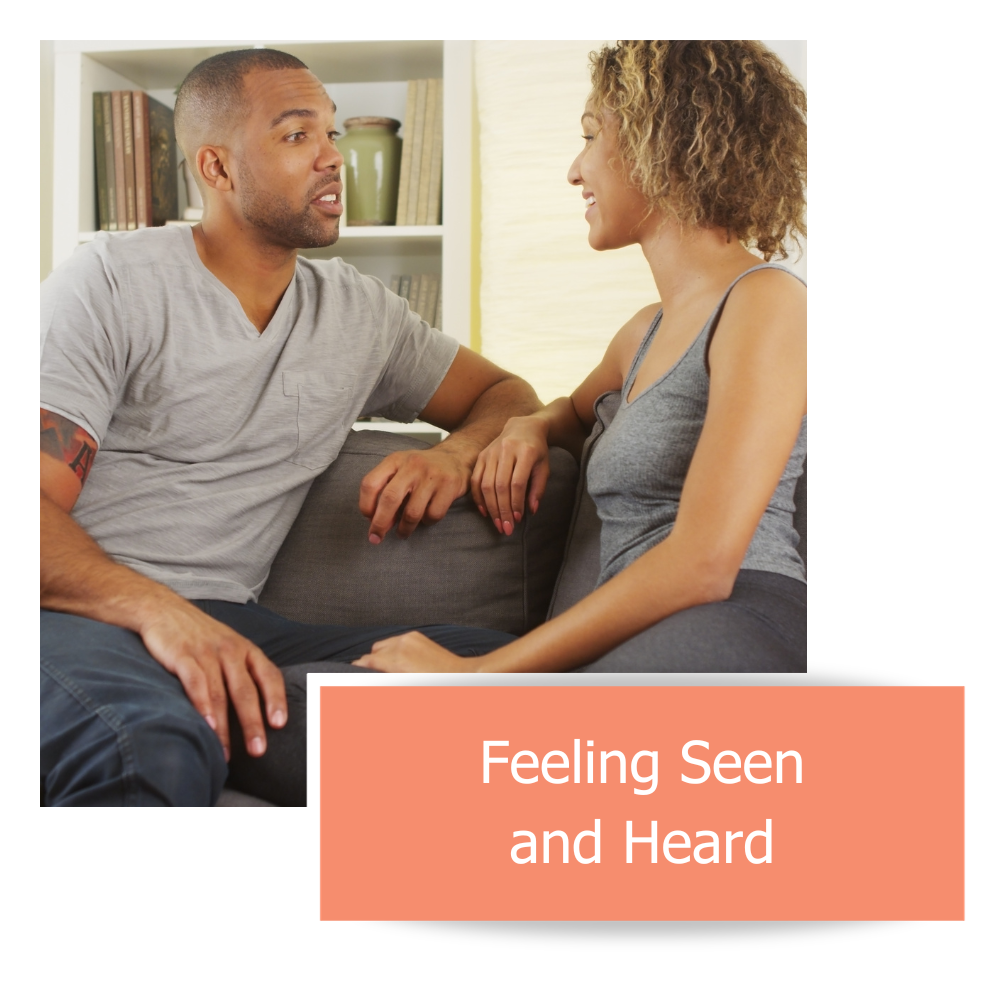
Do you feel seen, heard, and valued by your partner?  One of the many benefits of a happy and healthy relationship is the feeling that you have someone who really “gets” you. But everyone has areas they could improve on, or be more intentional in their relationship. That’s what Feeling Seen and Heard, from the Gottman Relationship Coach, is all about. Learn from Drs. John and Julie Gottman how to be seen and heard, how to become a better listener and how to Turn Towards your partner more often in this series of videos and exercises.

When you show up for your partner, and when you feel seen and heard, your connection will deepen and you can even reduce your stress! 

This new program will help you learn:

  • How to identify and share your truth
  • About what we call Bids for Connection, and the three ways you can respond to them
  • How to Turn Towards your partner to make your relationship successful.
  • A concept of an Emotional Bank Account and positive emotions, and how to
    increase the balance in your Emotional Bank Account
  • How to identify and express your needs in the relationship
  • How to be a great listener
  • How to have a stress-reducing conversation

“Buy Now” will take you to GOTTMAN CONNECT to purchase and view this product.

Original price was: $149.00.Current price is: $89.00.

So you just had an argument. Now what?  The latest program in the Gottman Relationship Coach, “Making Up After an Argument” includes a step-by-step exercise to help you and your partner process an argument and discover what you were really fighting about. In addition to our powerful “Aftermath of a Fight” exercise, “Making Up After an Argument” includes sections and exercises on feeling overloaded, taking effective breaks from conflict, and how to rebuild the lines of communication—even mid-argument. 

Solve the mystery of what you and your partner really argue about to restore, repair, and revitalize the communication in your relationship. This new program will help you learn:

  • How to process even the most difficult arguments and heal from them together.
  • What to do when you are feeling overwhelmed and overloaded, what we call “Flooding”.
  • What happens in your body when you are in conflict.
  • How to calm yourself down, in or out of conflict.
  • The importance of “repair attempts,” or ways to get the conversation back on track, plus how to notice and make them

Limited Time Offer!

“Buy Now” will take you to GOTTMAN CONNECT to purchase and view this product.

Related posts

A couple at a cafe window: she looks past the camera in sunglasses while he leans on the counter and looks toward her, the kind of moment a partner can read as emotionally unavailable.

When Your Partner Seems Emotionally Unavailable

Alexander Elguren

You are not imagining the distance. You may be misreading it.

Read More

A couple having a relationship check-in. One partner is listening to the other and taking notes.

This Relationship Skill Is Essential: How to Have a Relationship Check-In

Alex Spangler

Building relationship check-ins into your daily, weekly and monthly routines can keep your relationship healthy. Learn how to do it right!

Read More

5 Ways Genetics Can Impact Your Relationships

Alexander Elguren

Stress response, bonding, conflict style — all shaped by your genes. So how much of your marriage is, too?

Read More

How to deal with anxiety as a couple

How to Deal With Anxiety in Relationships

The Gottman Institute

Learn how couples can manage anxiety in relationships using Gottman principles, emotional safety, gentle communication, and daily positivity.

Read More

A young couple caught up in roommate syndrome working together in the kitchen.

When You Feel Like Roommates But Want to Be Lovers Again

Mac Stanley Cazeau

It can be easy for couple to fall into routines and feel like roommates. Is it possible to bring back the spark to become lovers again?

Read More

Improve your sex life by increasing you emotional intelligence and creating a plan for sex!

5 Sex Tips for Couples (from a Sex Therapist)

Kyle Benson

Improving sexual intimacy requires developing emotional and sexual intelligence. It also requires planning (even if that doesn't sound sexy!)

Read More

Improve your Relationship Skills with our Free Newsletters
0